
Westerners have been romanticizing the East for a long time, from the Silk Road trade to colonization to today’s Matcha Latte culture. Eastern philosophies and religions are part of that too. Buddhism has been a stable religion in the East for a long time, and it quietly spread to the West over the years. Many Westerners convert to Buddhism for almost opposite reasons from people in the East: peace, tranquility, and most importantly, they see Buddhism more as a philosophy or way of living rather than an Abrahamic religion. I have met people here in the States telling me, “Are you guys peace of mind?” whenever they find out I practice Buddhism. I always answer, “We are just like yours.” If we look back at the history of religion and war, Crusades and Jihad have filled many history books, so people assume Buddhism and Hinduism are more tame and have less conflict. It is true they have less BEEF (no pun intended), but that does not mean they are always peaceful.
There are five major Theravada Buddhist countries, yet all of them are in conflict in some ways. Nobody is really living in peace. So is Buddhism really a peaceful religion? We are not going to argue about that here. Instead, this project focuses more on the misconceptions of Buddhism, or more specifically, the different perspectives of Buddhism in the East and the West.
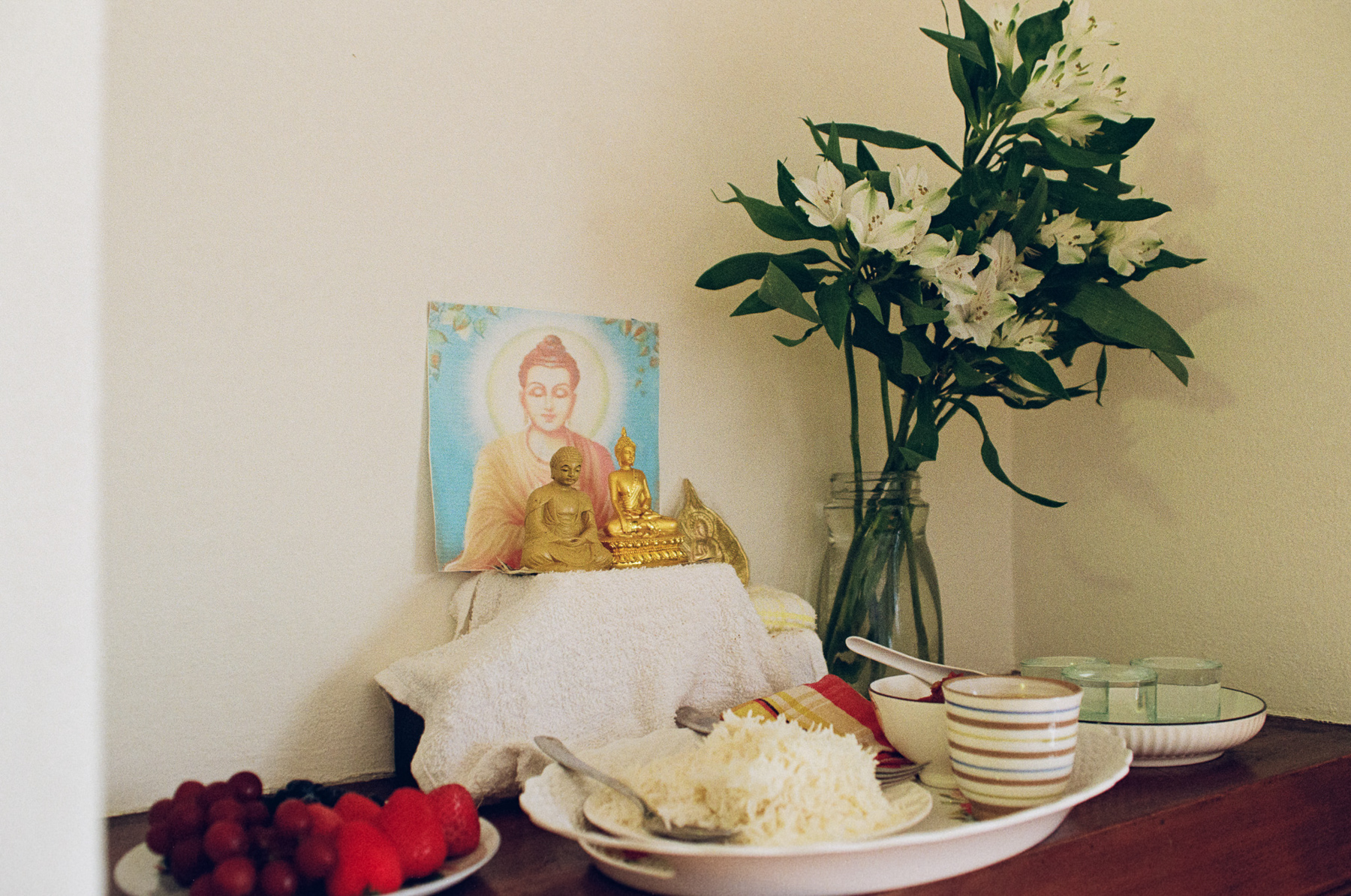
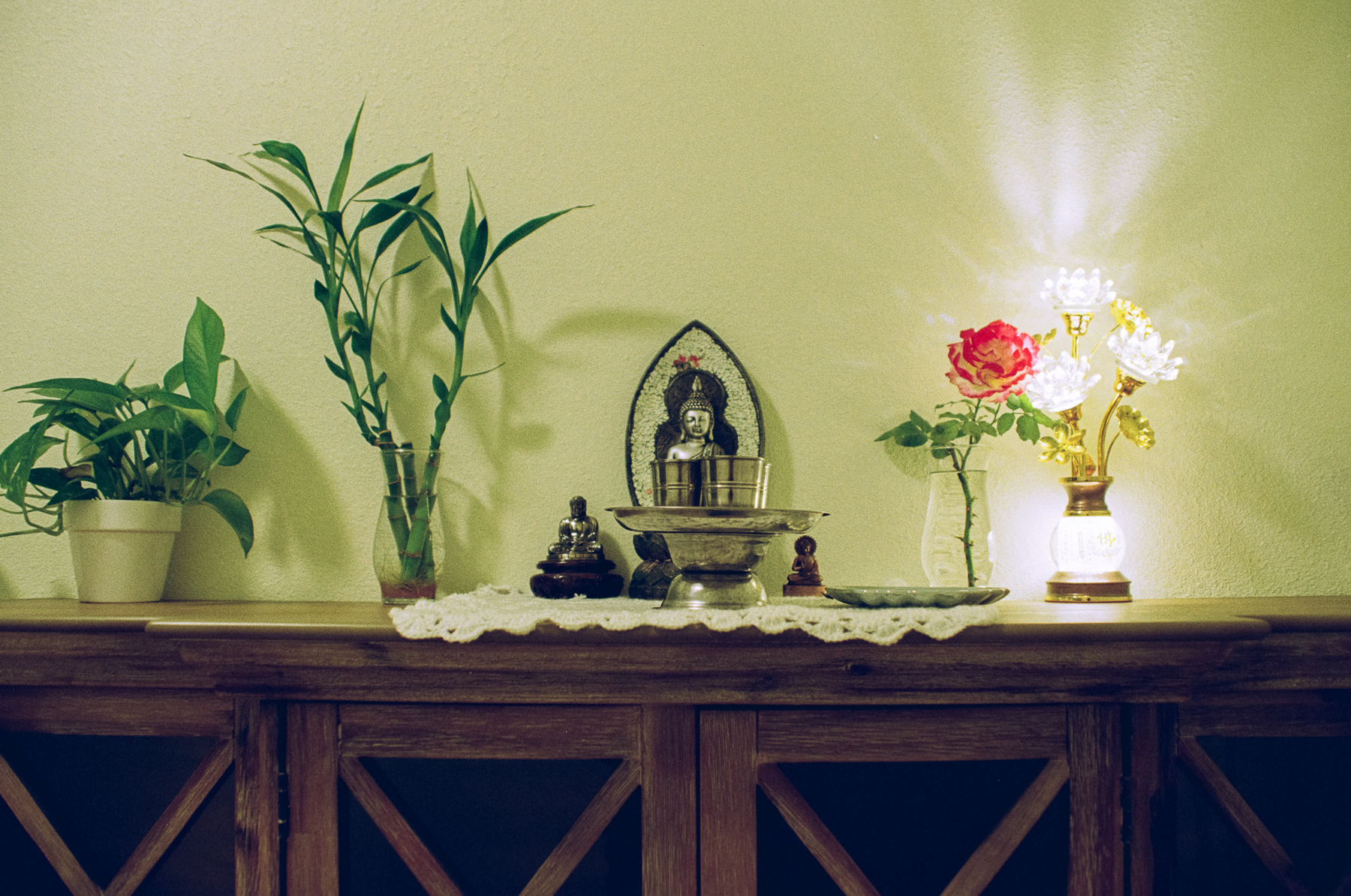
The West admires Buddhist temples for their unique architecture and presentation, but mostly through stupas and statues. I assume Westerners love Buddha statues so much that they bring them home as souvenirs. You often see Buddha statues here as decoration. They can be on tables, stairs, gardens, or parks. They can be giant Buddha heads or tiny statues. In Asia, many households also have at least one Buddha statue. But what is the difference? What changes when a Buddha statue is placed inside a Buddhist Altar instead of being used as decoration?
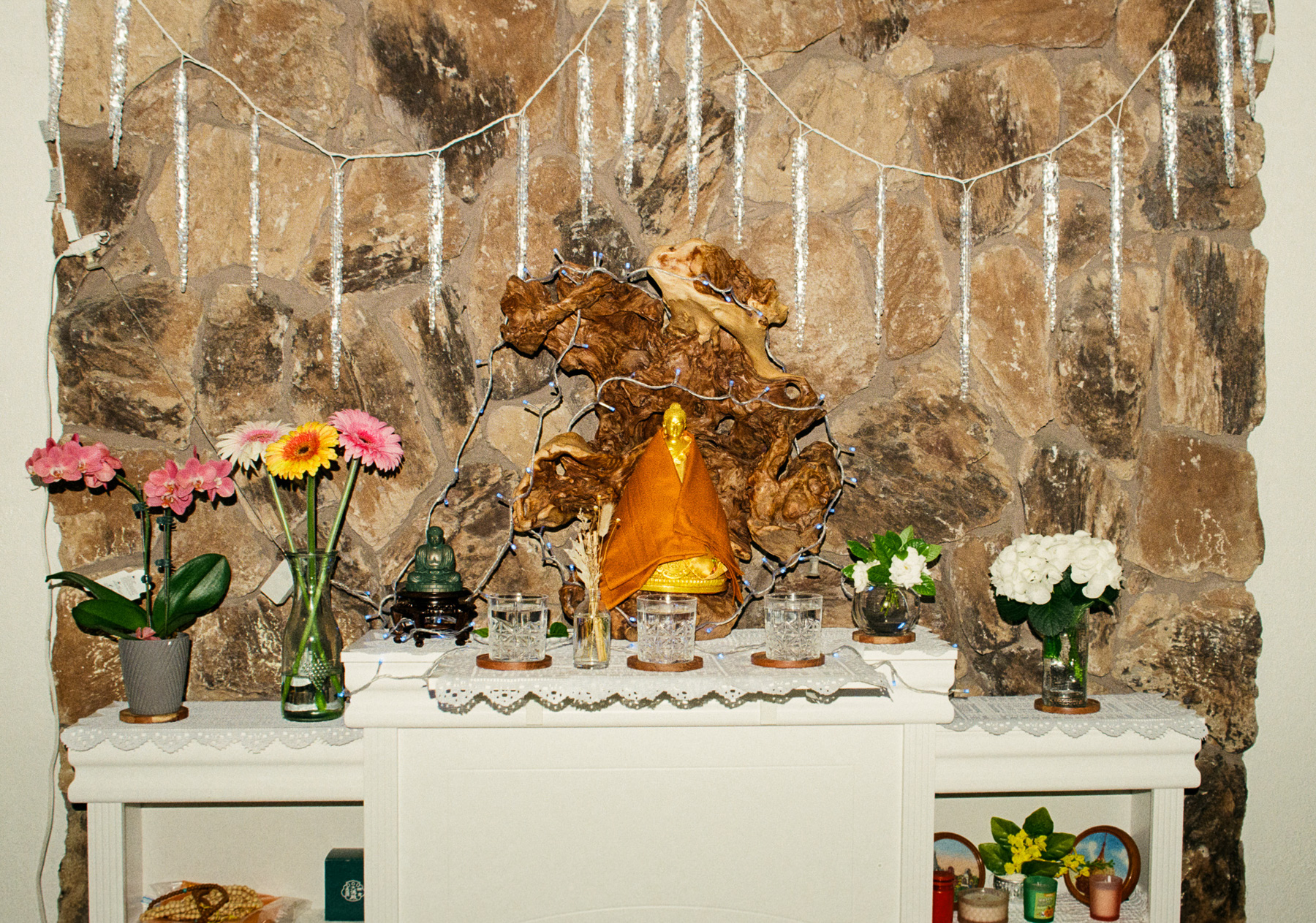
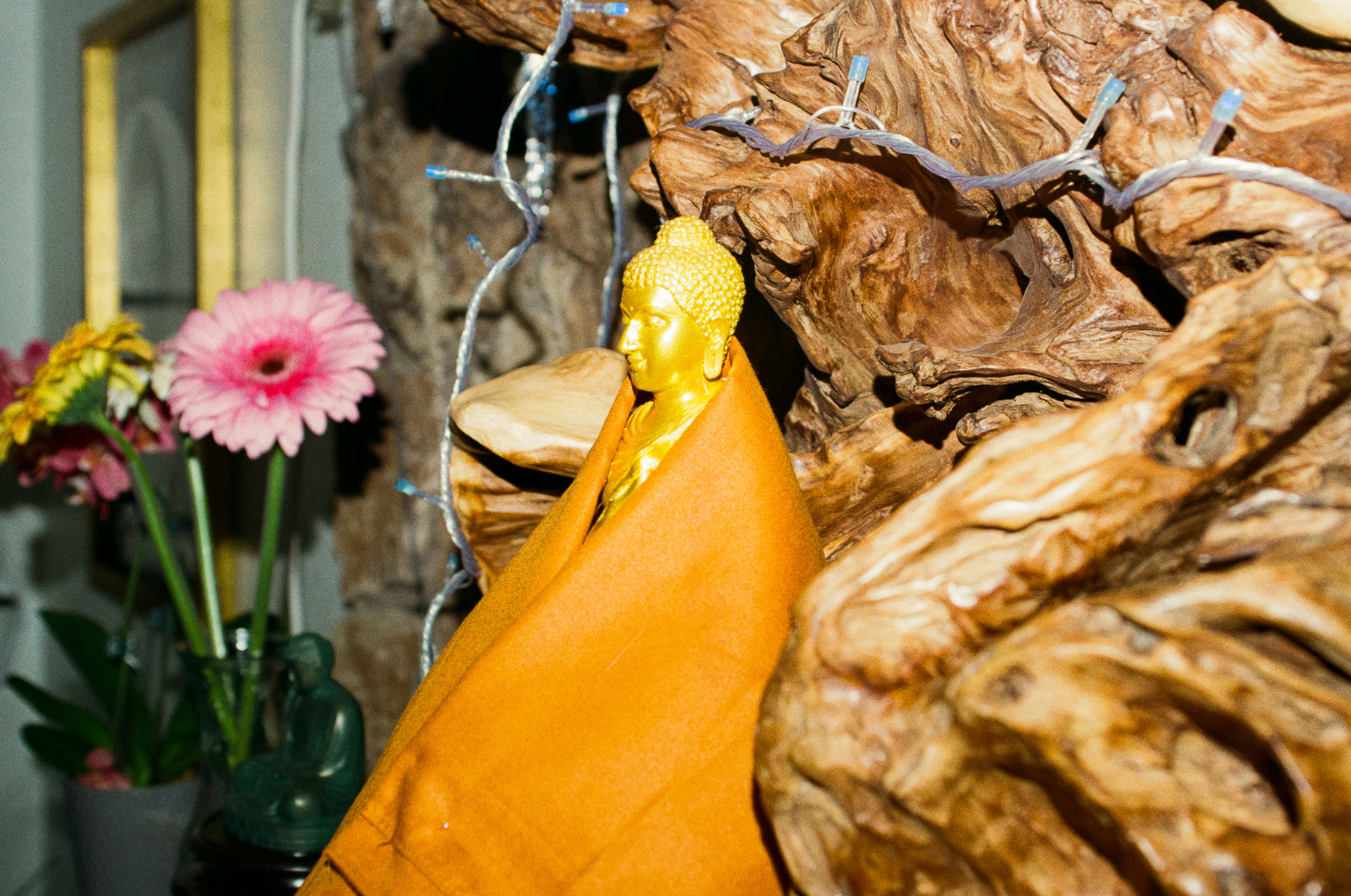
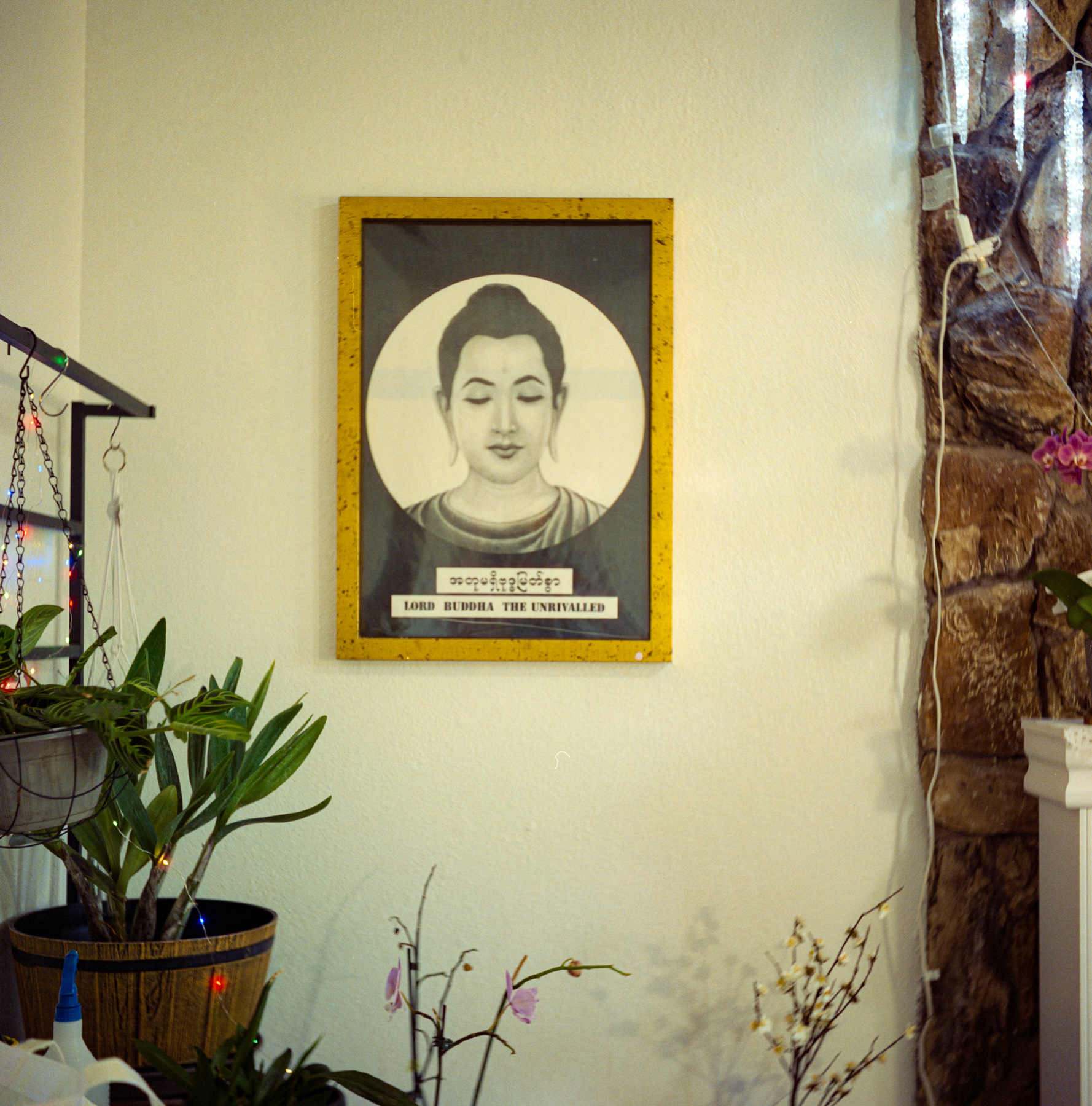
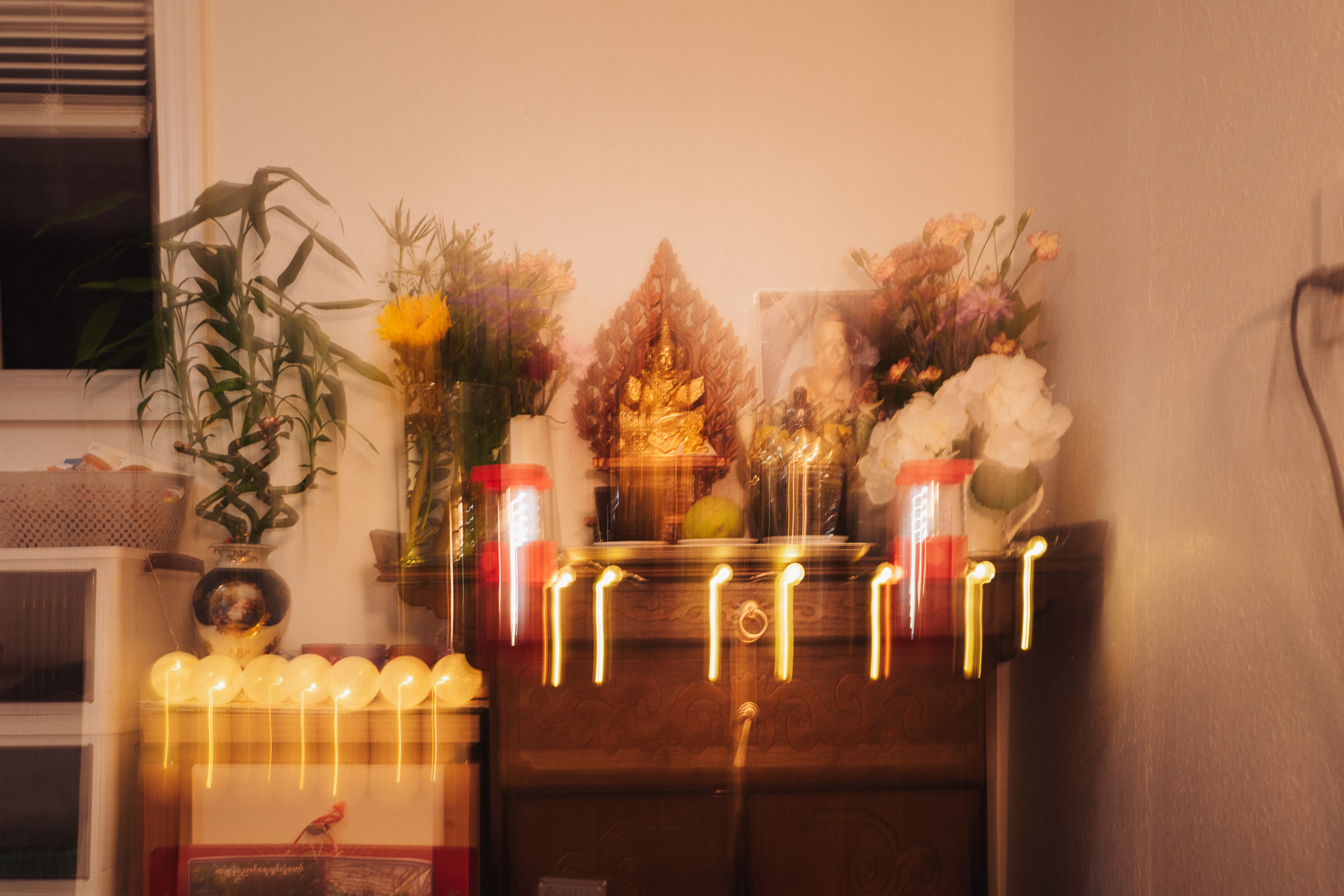
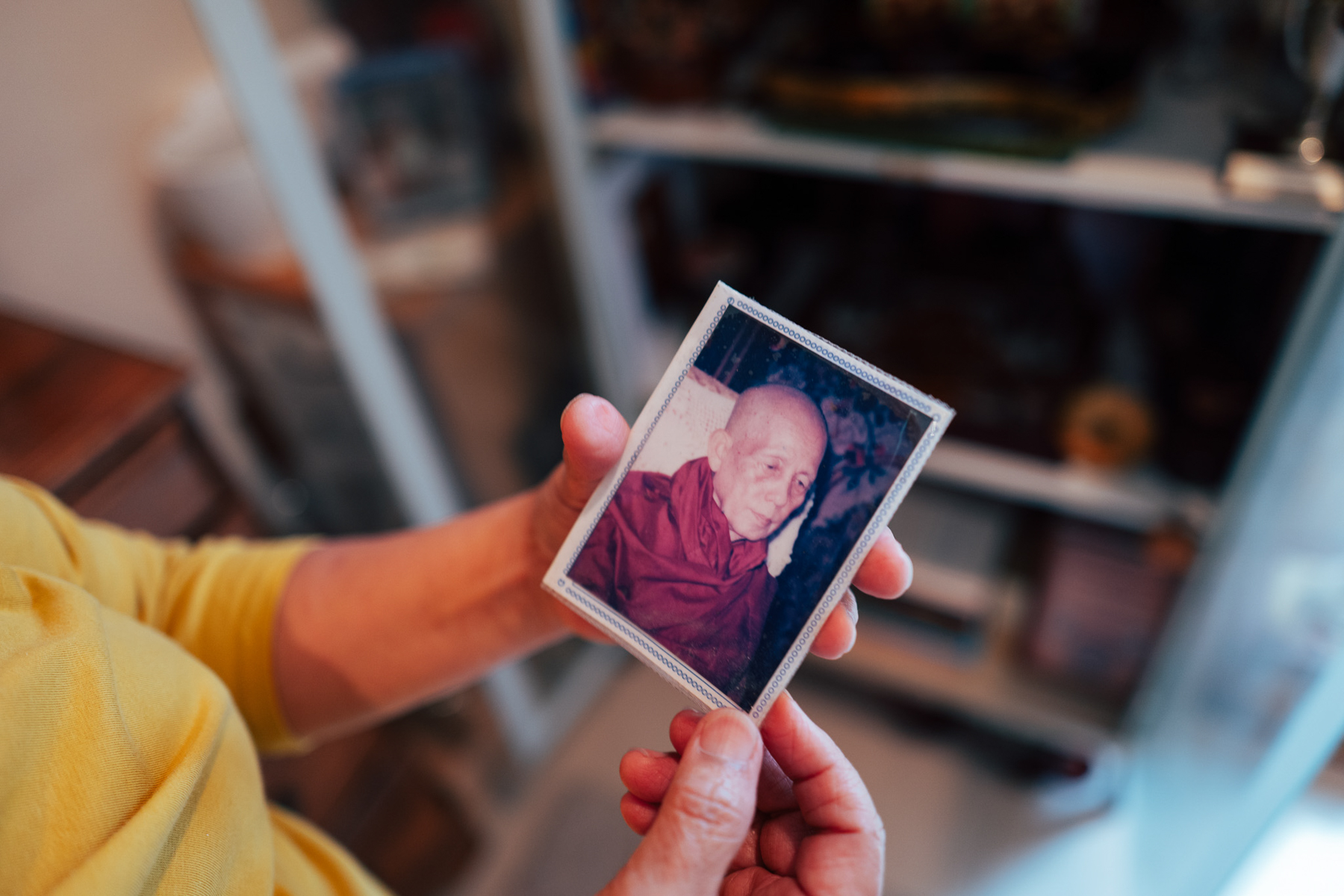
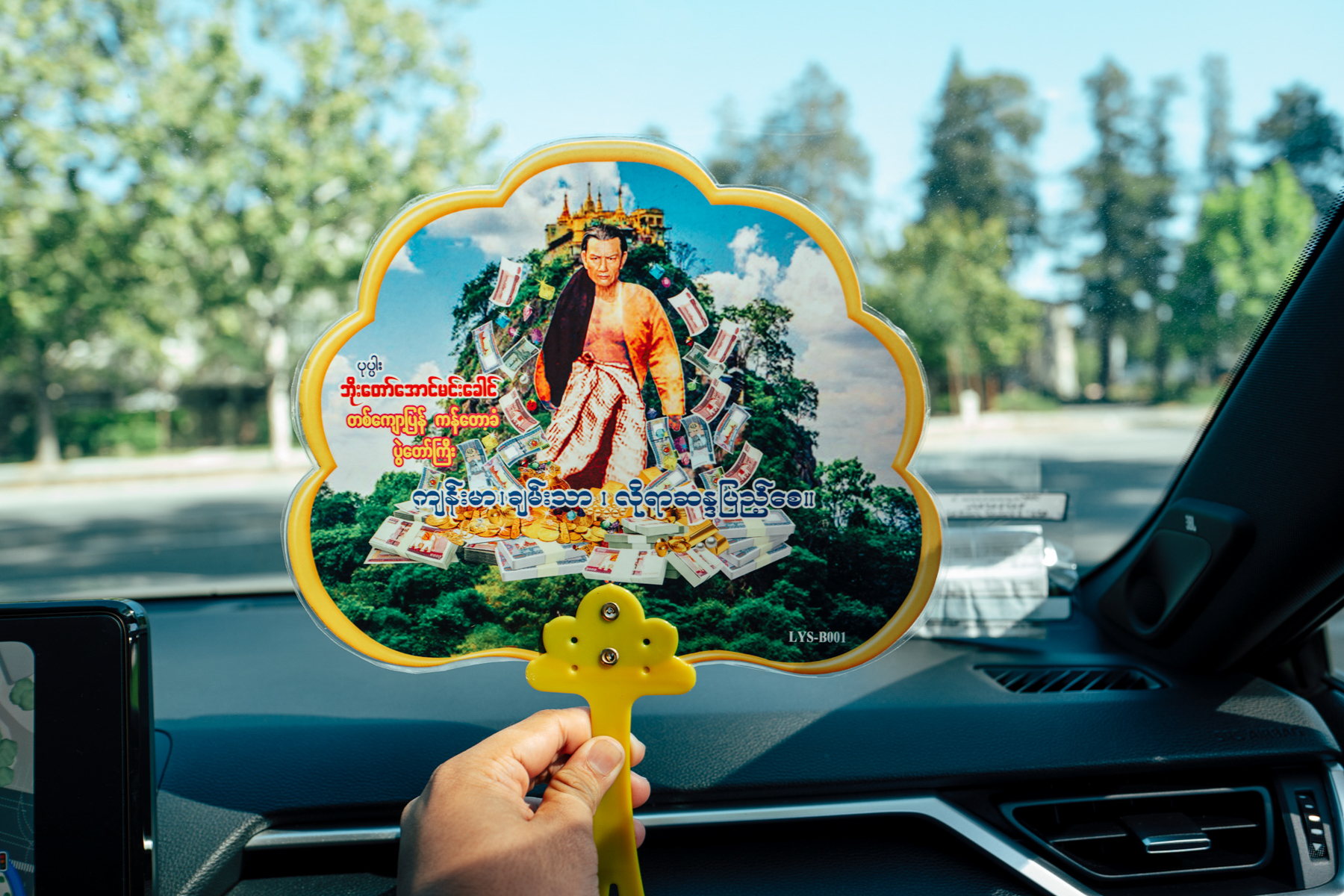
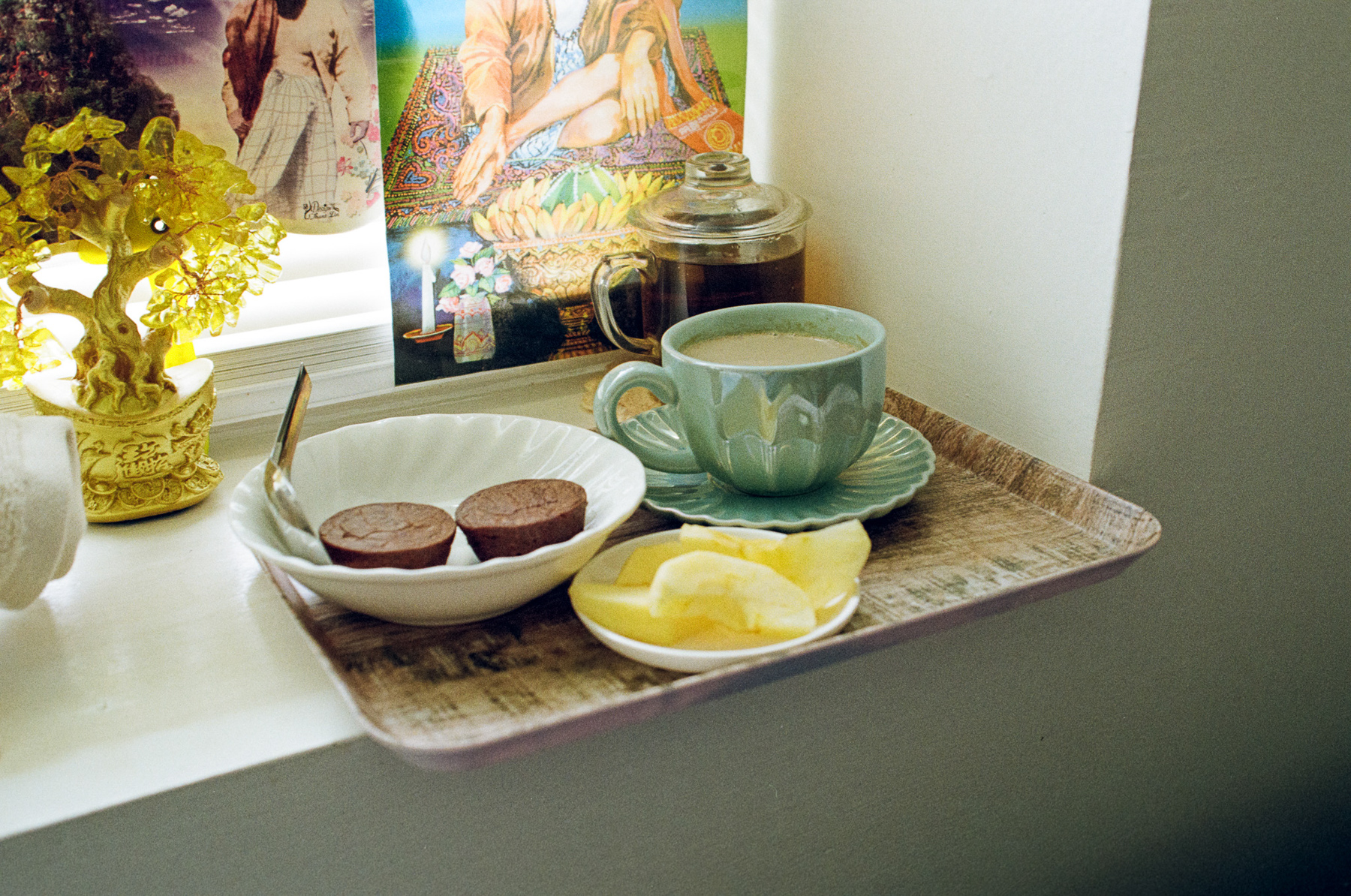
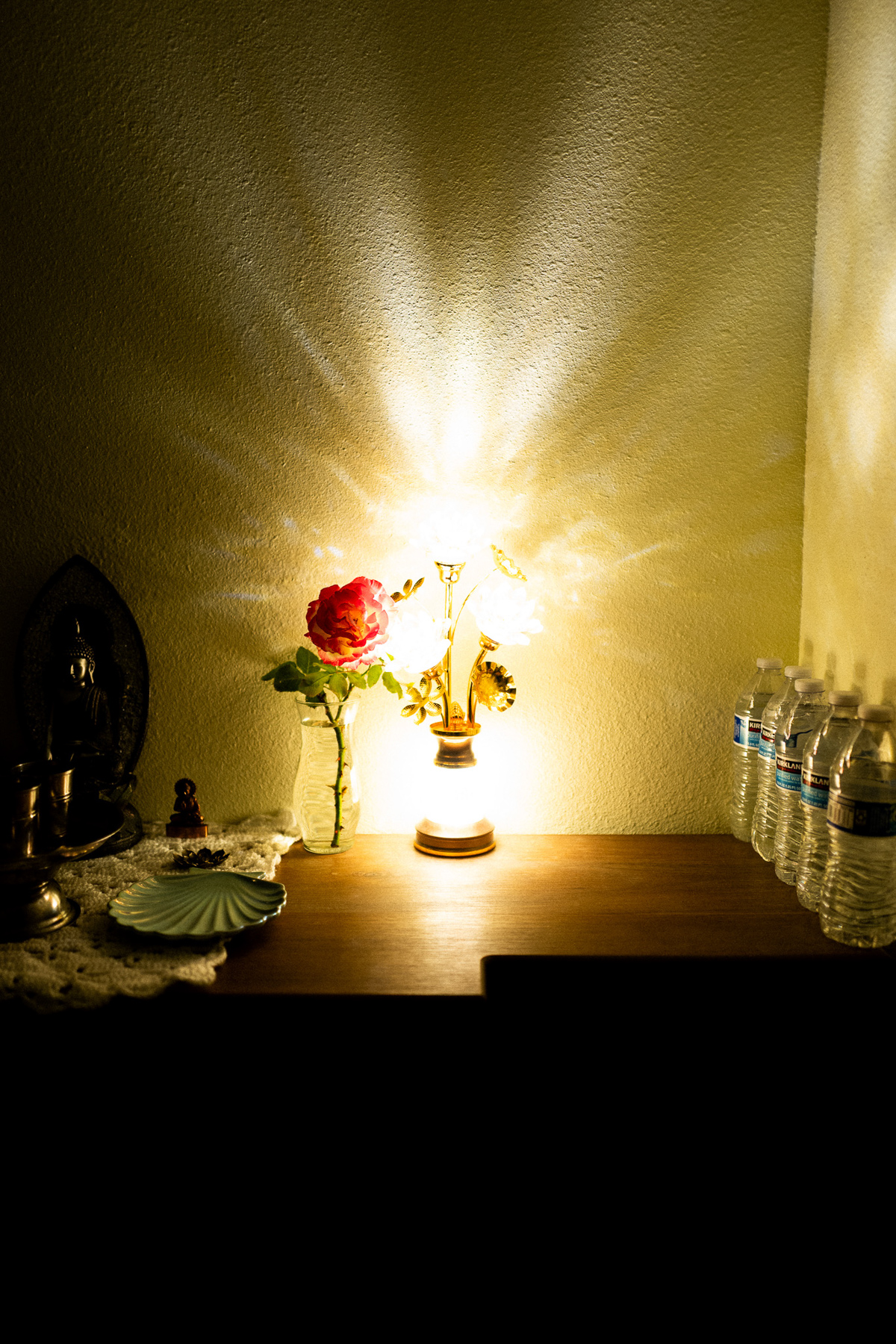
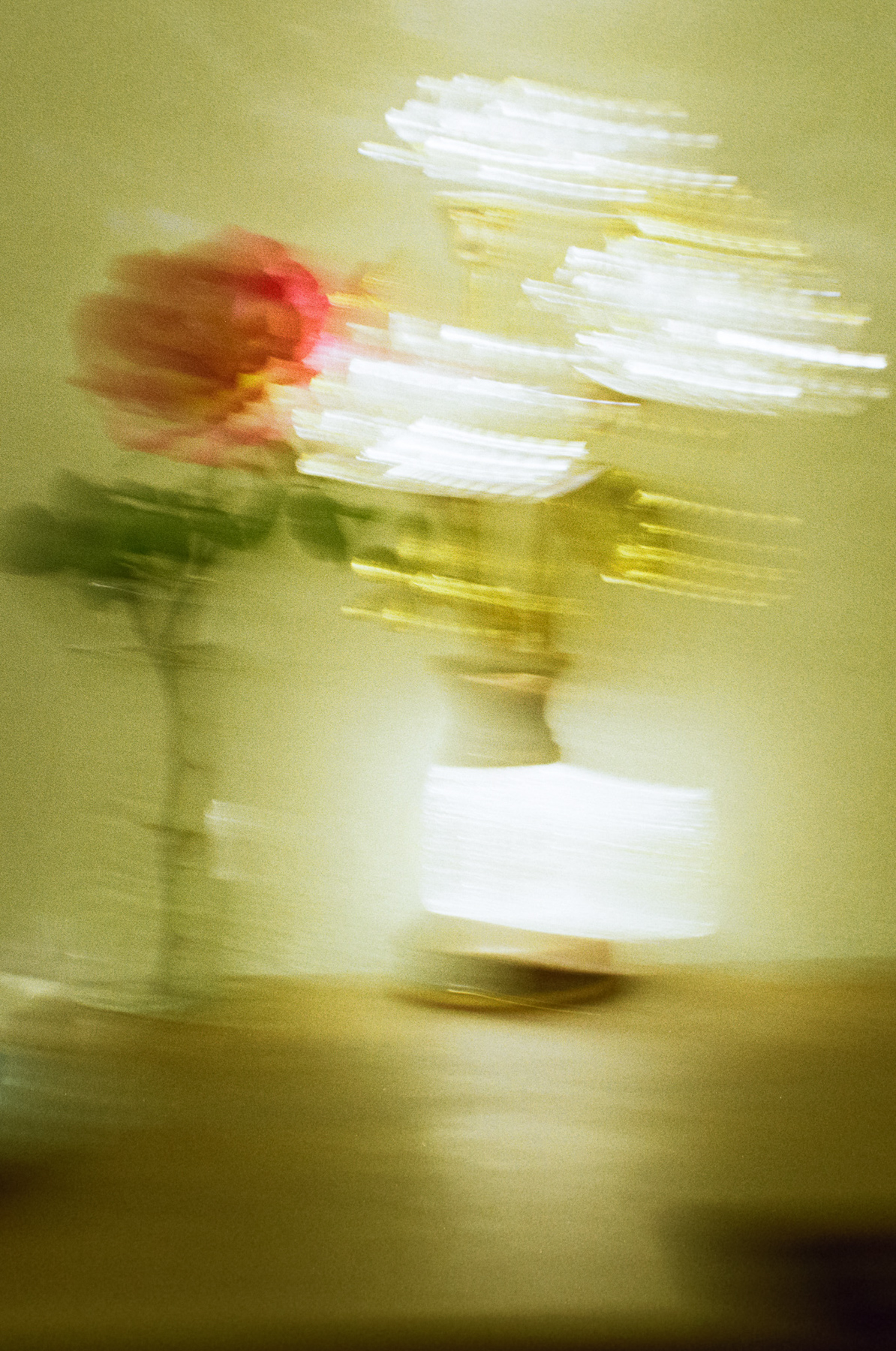
In this project, I visited six Burmese Buddhist households across the Bay Area to document Theravada Buddhist altars, a tradition connected deeply to both Buddhism and Burmese culture.
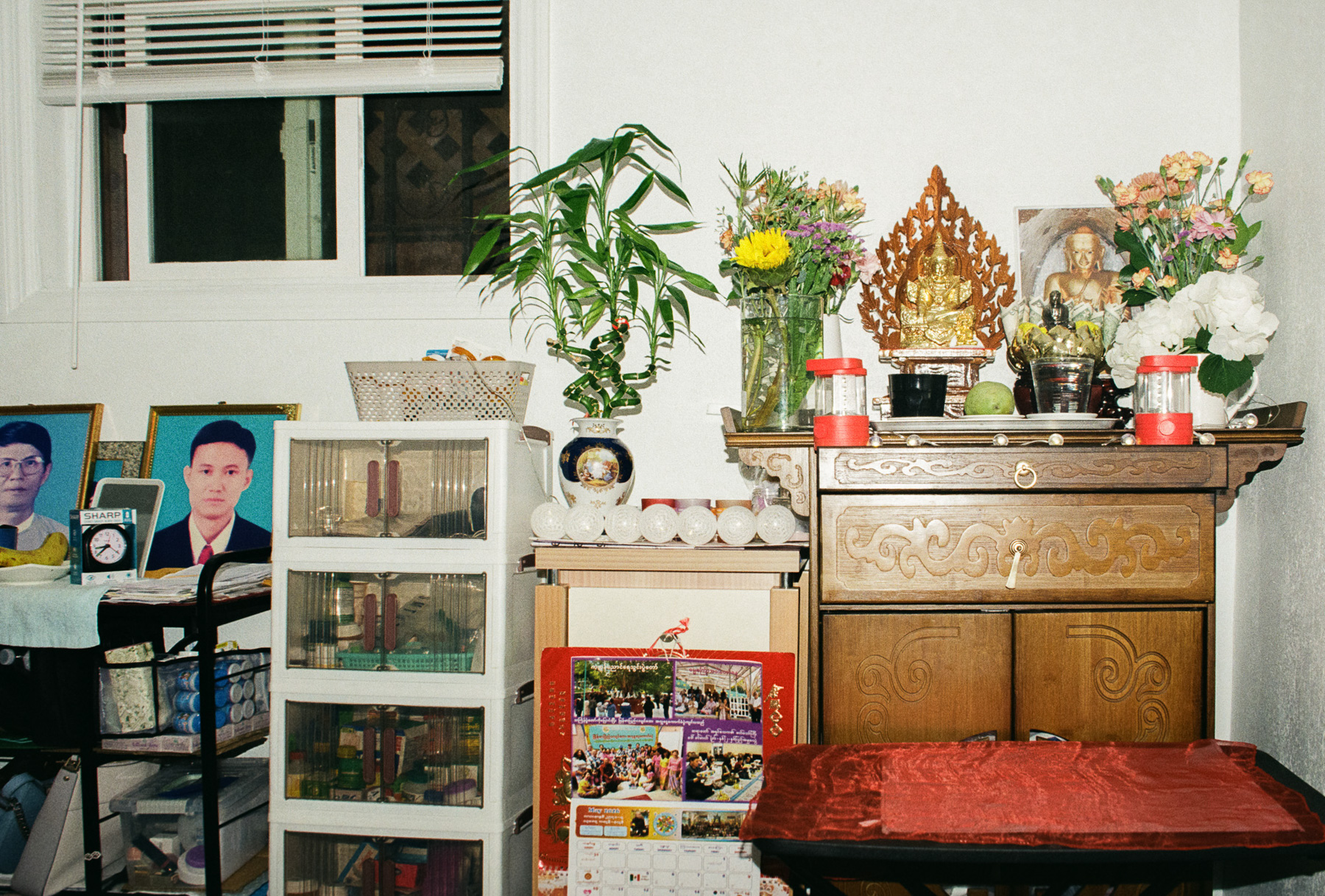
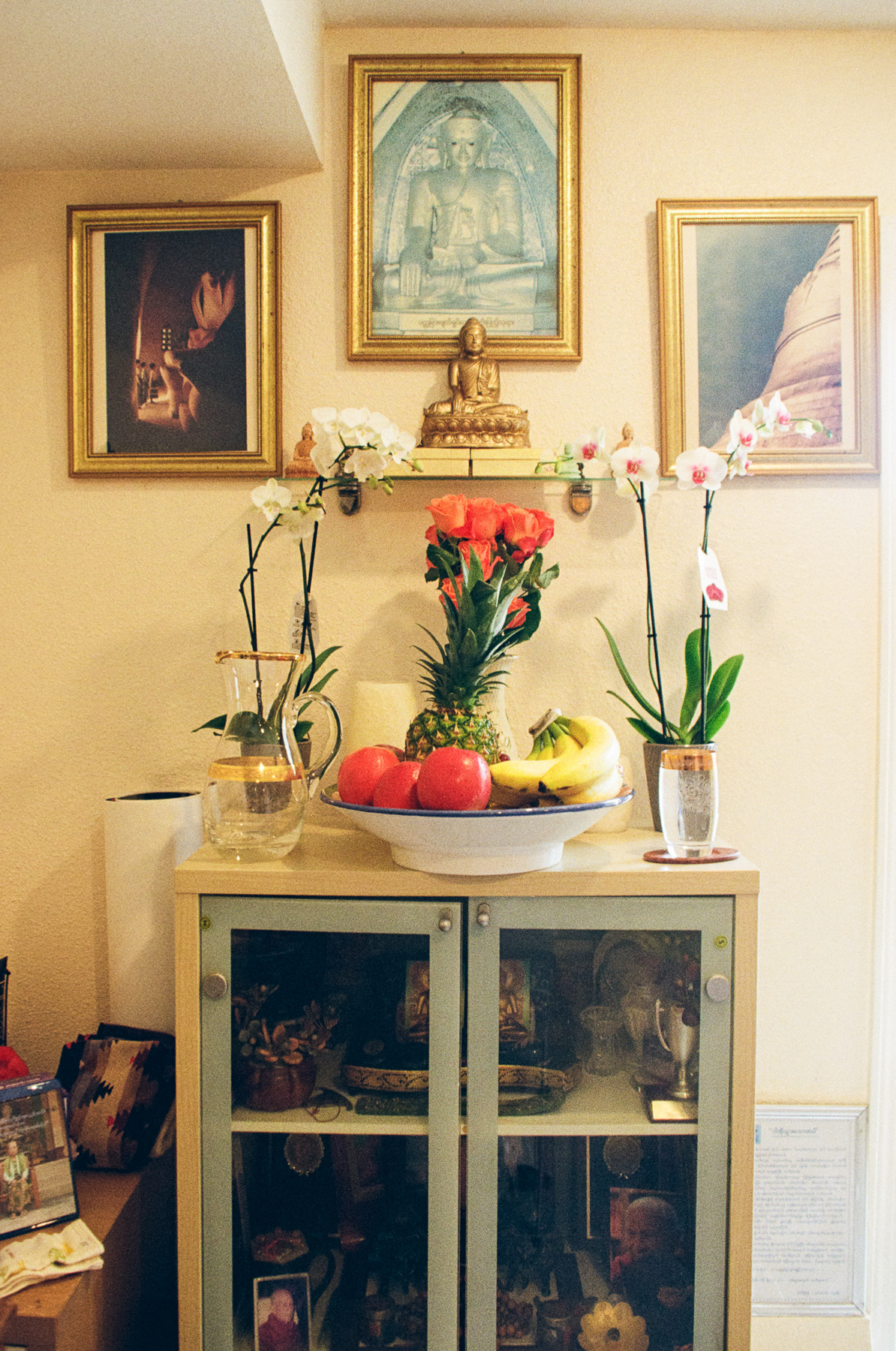
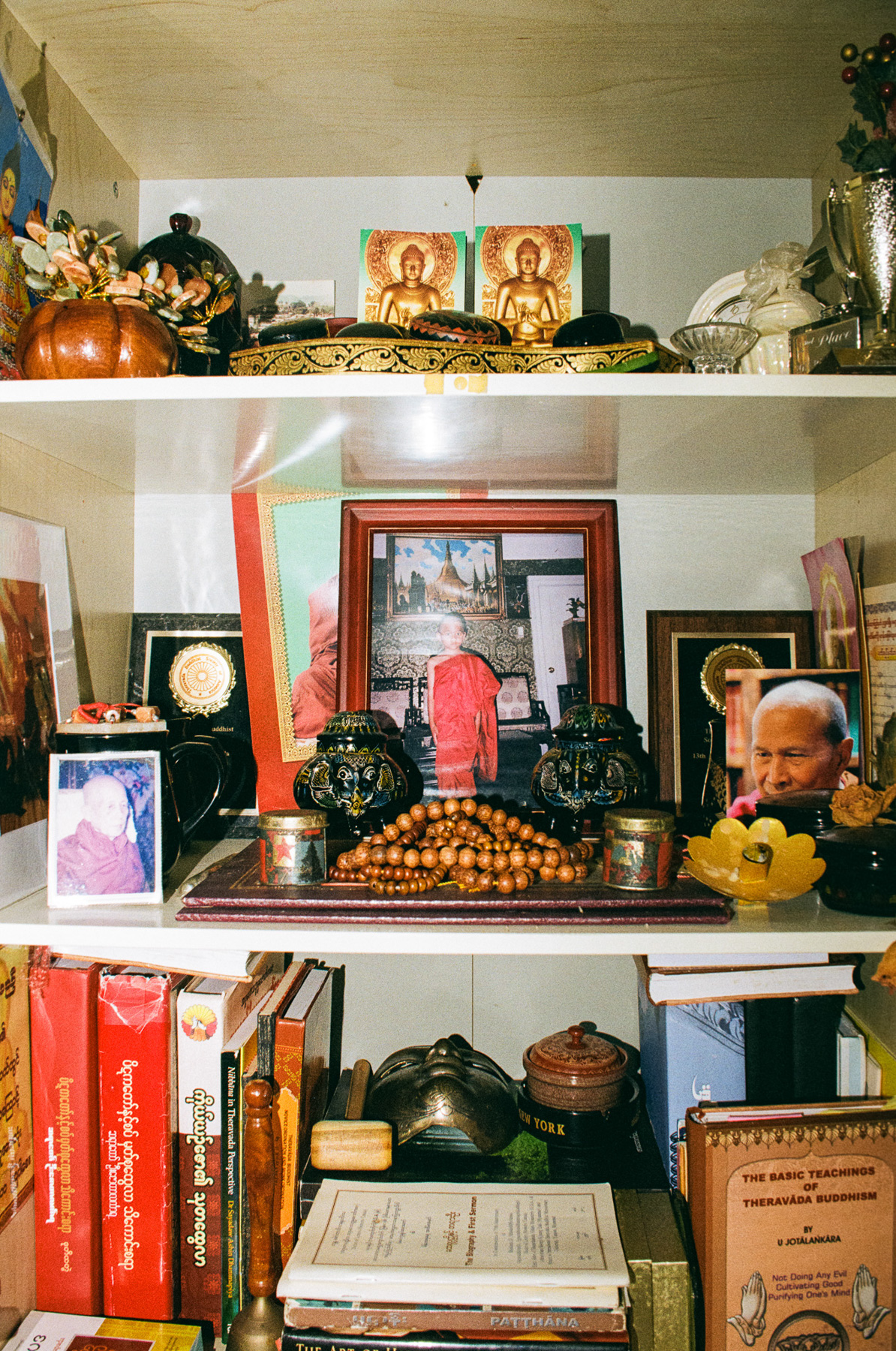
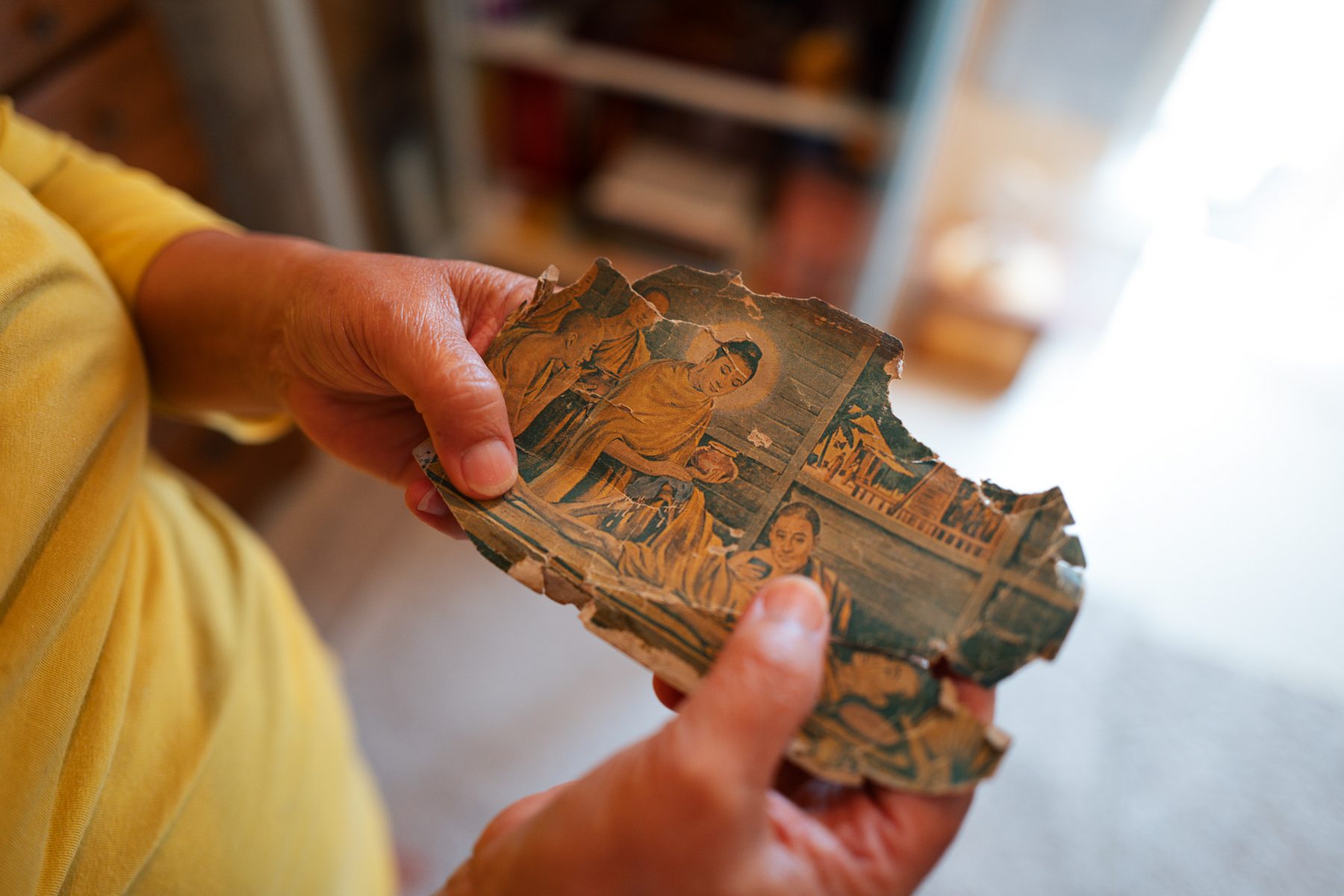
Photographer – Fio
Fio is an emerging documentary photographer from Burma. As an immigrant residing in the United States, he wishes to explore and document the lives of people in exile, traditions, and the political impact on youth, as well as their hopes and dreams for the future.
Follow Fio’s work